

LOVE, D-MARK AND DEATH
May 8 – June 27, 2026
Opening: May 8, 18:00
On the occasion of the 65th anniversary of migration, the ‘Almancılar’ are returning to Istanbul with the exhibition Love, D-Mark and Death by the Maxim Gorki Theater, one of Berlin’s leading cultural institutions. The exhibition presents a thematic selection from the 7th and final edition of the Berliner Herbstsalon, a festival held every two years at the theater.
Love, D-Mark and Death is a 1982 song by Ideal, a Berlin-based band from the Neue Deutsche Welle movement. Even back then, the band knew who was indispensable to the creation of a new Germany. They asked the writer Aras Ören to write the lyrics. In 1982, he wrote Aşk, Mark ve Ölüm, a poem capturing the disappointment felt by immigrants in Germany. This was a time of rapidly rising xenophobia, accompanied by racist debates in the media and politics about ‘Überfremdung’. Ören ends his poem with these lines:
I howl, I scream, and I batter down
With a loud voice, with a soft voice
The walls everywhere, everything is deaf
Death comes cheap to us.
Love, D-Mark and Death is also the title of a highly acclaimed 2022 documentary by Cem Kaya on the musical cultural history of Turkish migrants. He was inspired by the compilation Songs of Gastarbeiter by the DJ duo Ayata/Kullukcu. This compilation was released as part of Almancı – 50 Years of Sham Marriages, a 2011 festival, which celebrated the 50th anniversary of the labor recruitment agreement between Turkey and Germany at Ballhaus Naunynstrasse, under the artistic direction of Shermin Langhoff.
Love, D-Mark and Death I
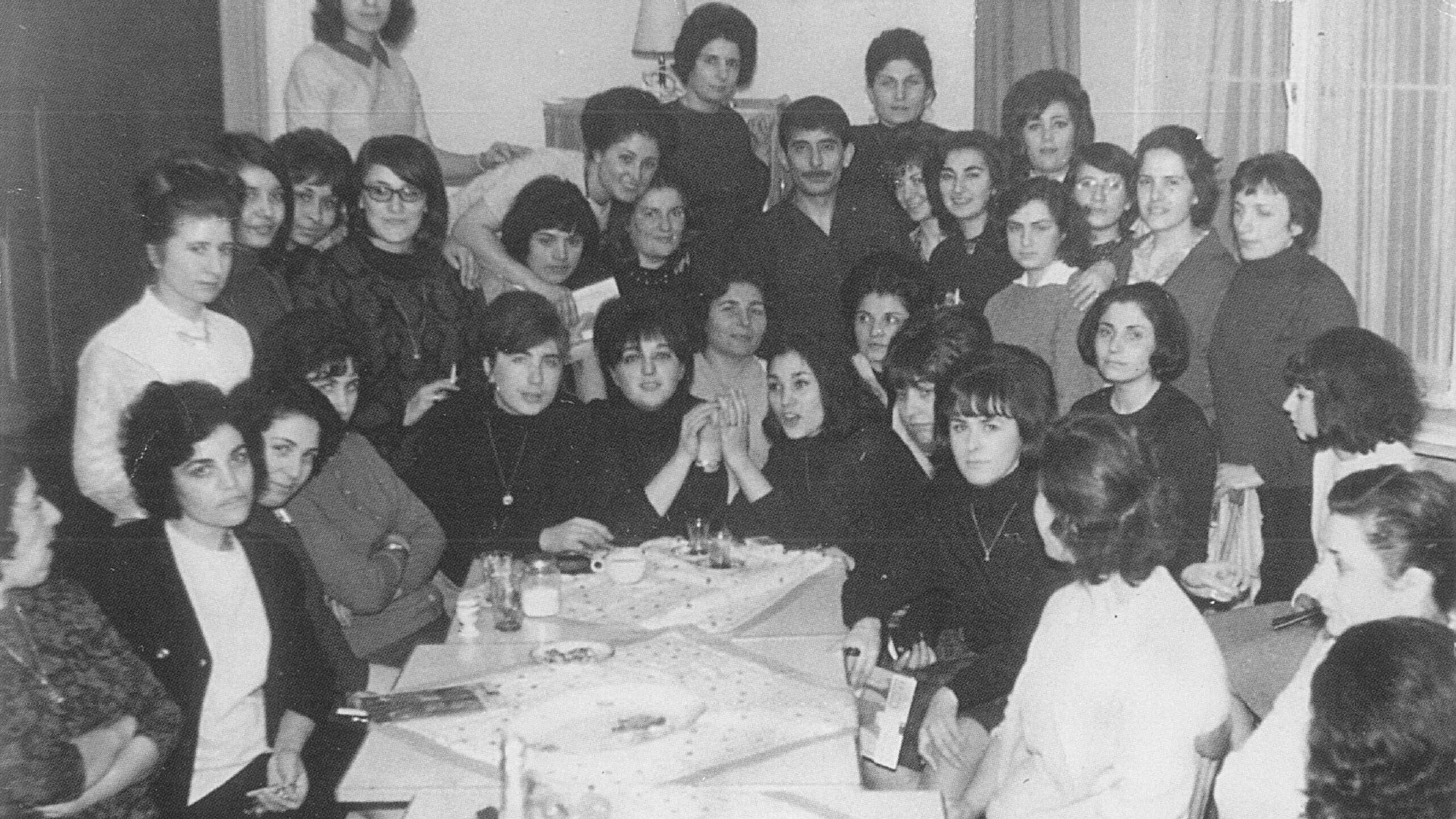
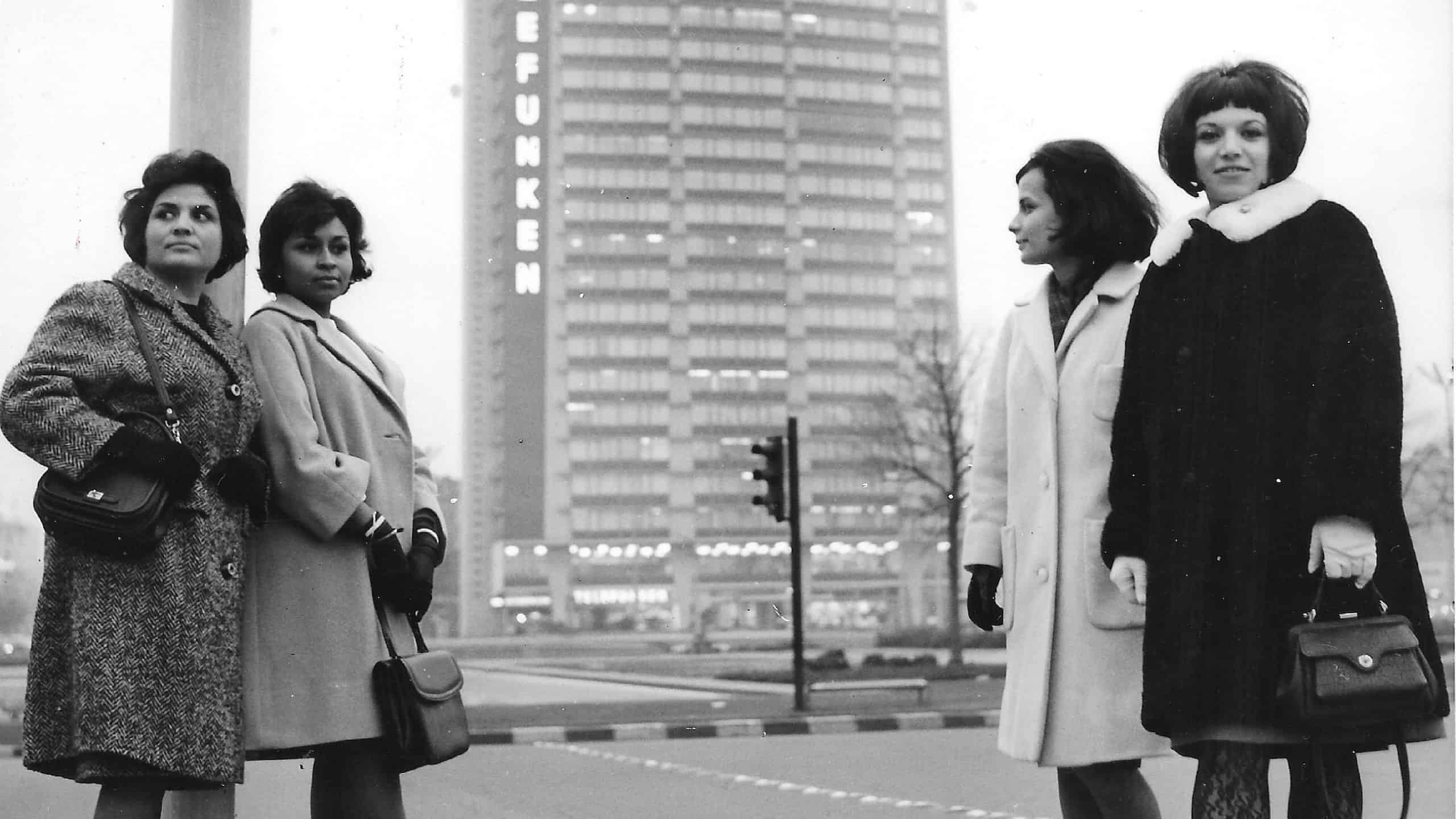
With the exception of a few works by Melek Konukman-Tulgan, Filiz Taşkın, Serpil Yeter, and Gülsün Karamustafa, the first part is documentary in nature. It is based on research and focuses on the residents of the dormitory at Stresemannstraße 30 in Berlin, which the Telefunken company established for its ‘female guest workers’.
Even here, the work of Emine Sevgi Özdamar plays an important role. Born in 1946 in Malatya in Eastern Anatolia and raised in Istanbul and Bursa, she arrived at Stresemannstraße 30 in 1965. She recounts her life in the ‘Wonaym’—balancing work at Telefunken with a longing for the theater and for a world free of exploitation and oppression—in her novel Die Brücke vom Goldenen Horn (The Bridge from the Golden Horn) (1998), the first volume of her Istanbul-Berlin trilogy. On the long journey from Istanbul to Berlin, one of her fellow travelers says, ‘What a never-ending journey’. It has not ended to this day. The dream of a better world, which once seemed so close, is receding into the distant horizon once more. In the second volume, Seltsame Sterne starren zur Erde (Strange Stars Stare Down at Earth), she writes:
‘I am unhappy in my language. The words are sick. My words need a sanatorium. How long does it take for a word to heal again? They say that in foreign countries you lose your mother tongue. Can’t you also lose your mother tongue in your own country?’
These are phrases that were once very well understood in Germany. Back when people there still felt ashamed of what their parents and grandparents had done to their mother tongue by associating it with that of the Third Reich. Emine Sevgi Özdamar went to the theater, to Brecht and Weigel’s Berliner Ensemble, to heal the words. She was not the first, nor was she the only one there. Nuran Oktar and Vasıf Öngören, who had worked for a year and a half as directors of the dormitory on Stresemannstraße, had also come to Berlin for the theater.
The theater also thrives on helping to heal the world. No one can do this alone, and certainly not a ‘nation’. A nation depends on other people, on other languages. That was the experience of the women at Stresemannstraße 30, the immigrant women from many nations. That is what is being worked on at the Maxim Gorki Theater. There, a new theatre is being shaped for the new post-migrant Germany. Yet another new German wave.
Love, D-Mark and Death II
In the second part of the exhibition Love, D-Mark and Death, artists engage with Germany through video works, scripts, and sculptures, many inspired by their own lives. Artists include Nevin Aladağ, Züli Aladağ, Cana Bilir-Meier, Zühal Bilir-Meier, Ahu Dural, Semra Ertan, Harun Farocki & Antje Ehmann, Daniel Knorr, Hakan Savaş Mican, Ersan Mondtag, İrfan Önürmen, Emine Sevgi Özdamar, Ülkü Süngün, and Želimir Žilnik.
Film Programme: Özlem Sarıyıldız, Isa Andreu, Hannelore Schäfer, Detlef Zuther, Andrea Schmidt, Uwe Gawron
Public Program
8 May Friday
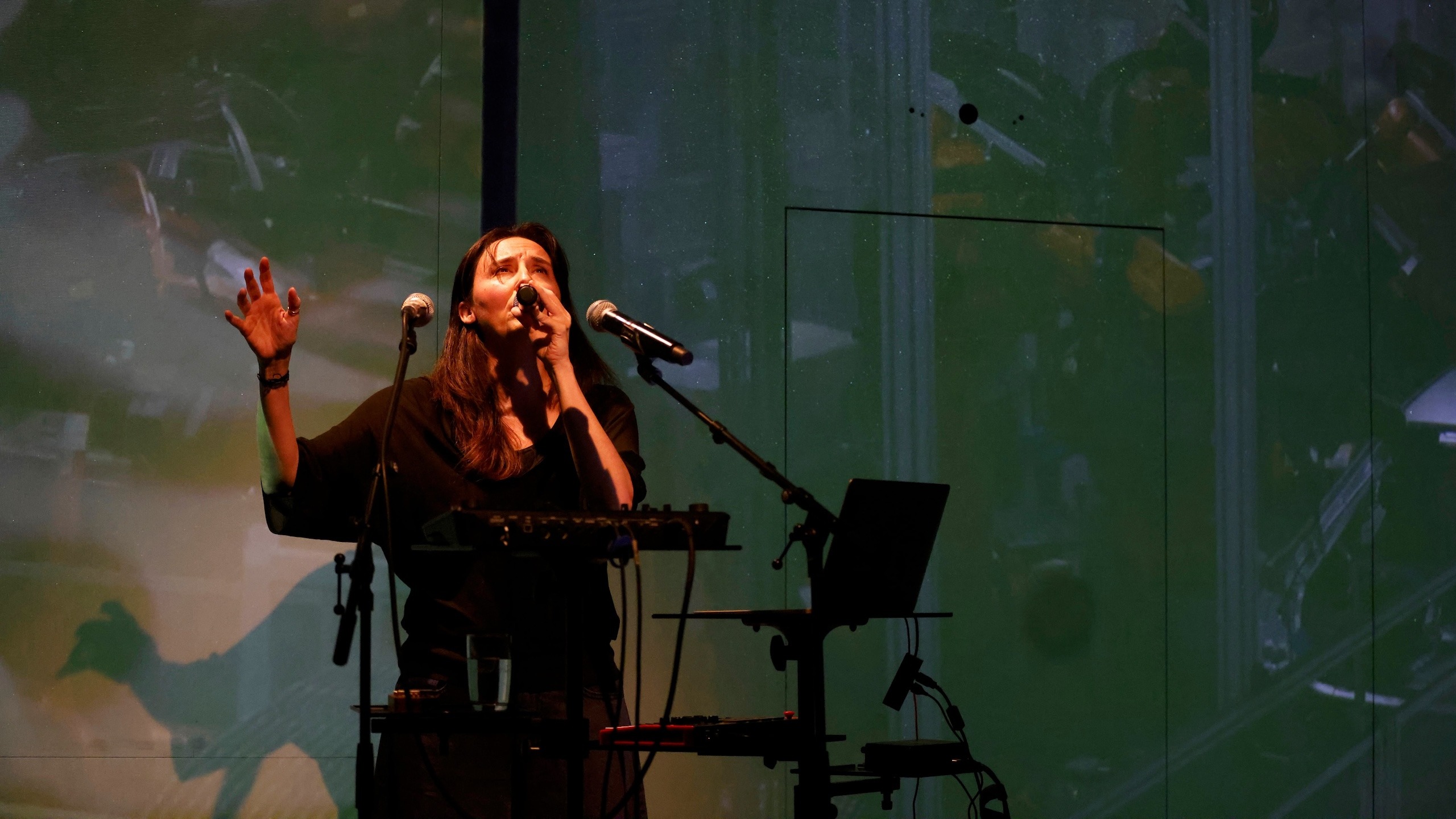
18:00 Love, D-Mark and Death Opening and Music Performance with Nihan Devecioğlu
19:30 Reading and Talk with Emine Sevgi Özdamar. Moderator: Olcay Akyıldız (Turkish)
9 May Saturday
From the Stage to the Screen: Theatre Film Screenings & Talks
16:00 Dschinns (2023) (German; with Turkish and English subtitles)
Speaker: Nurkan Erpulat. Moderator: Selin Tunç (Turkish)
19:30 Our German Fairytale (2024) (German; with Turkish and English subtitles)
Speakers: Dinçer Güçyeter and Hakan Savaş Mican (Turkish)
10 May Sunday
17:00 Talk with Cana Bilir-Meier. Moderator: Erden Kosova (Turkish and English)
15 May Friday
19:00 Migration, Labor, and Gender: First Generation Female Workers in Germany
Presentation: Ayfer Bartu. Moderator: Hülya Karcı (Turkish)
16 May Saturday
17:30 Screening of Sema Poyraz films and talk with the director. Moderator: Tunçay Kulaoğlu (Turkish)
Die Türhüter, 1988, 17’, Fremd. Yaban., 2007, 18’. (German; with Turkish and English subtitles)
19:00 Conversation with the residents of the Stresemannstrasse Women Workers’ Dormitory
Mevhibe Çetin, Nuran Dirlikli, Aysel Göksu and Sabahat Tezyel
Moderators: Hülya Karcı and Mürtüz Yolcu (Turkish)
27 June Saturday
19:00 Closing Film and Talk
Aşk, Mark ve Ölüm (2022) (Turkish and German; with English subtitles)
Talk with Cem Kaya and Ekim Zafer Acun (Şokopop). Moderator: Çiğdem Özdemir (Turkish)
Curator Shermin Langhoff Exhibition Scenography Alice Faucher Curatorial Assistant Maral Müdok Assistant to the Artistic Director Thalia Hertel Research Team Hülya Karcı, Erden Kosova, Tunçay Kulaoğlu, Maral Müdok, and Mürtüz Yolcu Production Manager Ece Tufan Production Assistant Marta Stein Coordination Çiğdem Özdemir Film Coordination Gari Vanisian Exhibition Design Assistants Martha Bamberg and Ruby Wisdom
A production of the Maxim Gorki Theater in cooperation with Anadolu Kültür, with the kind support of the Goethe-Institut Istanbul and Theater findet Stadt e.V.
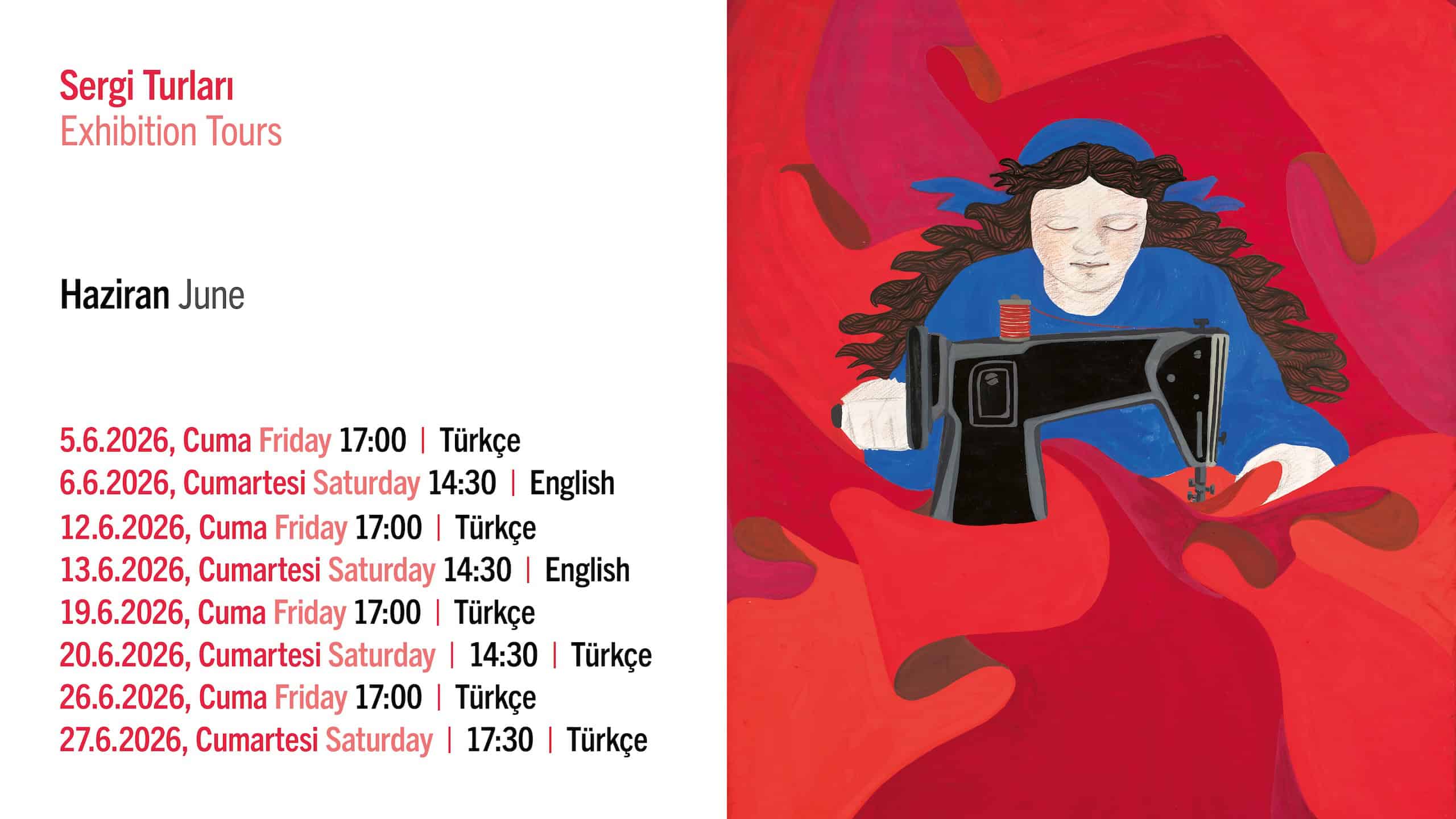
LOVE, D-MARK AND DEATH – Guided Tours with the Research Team
June 5-27, 2026
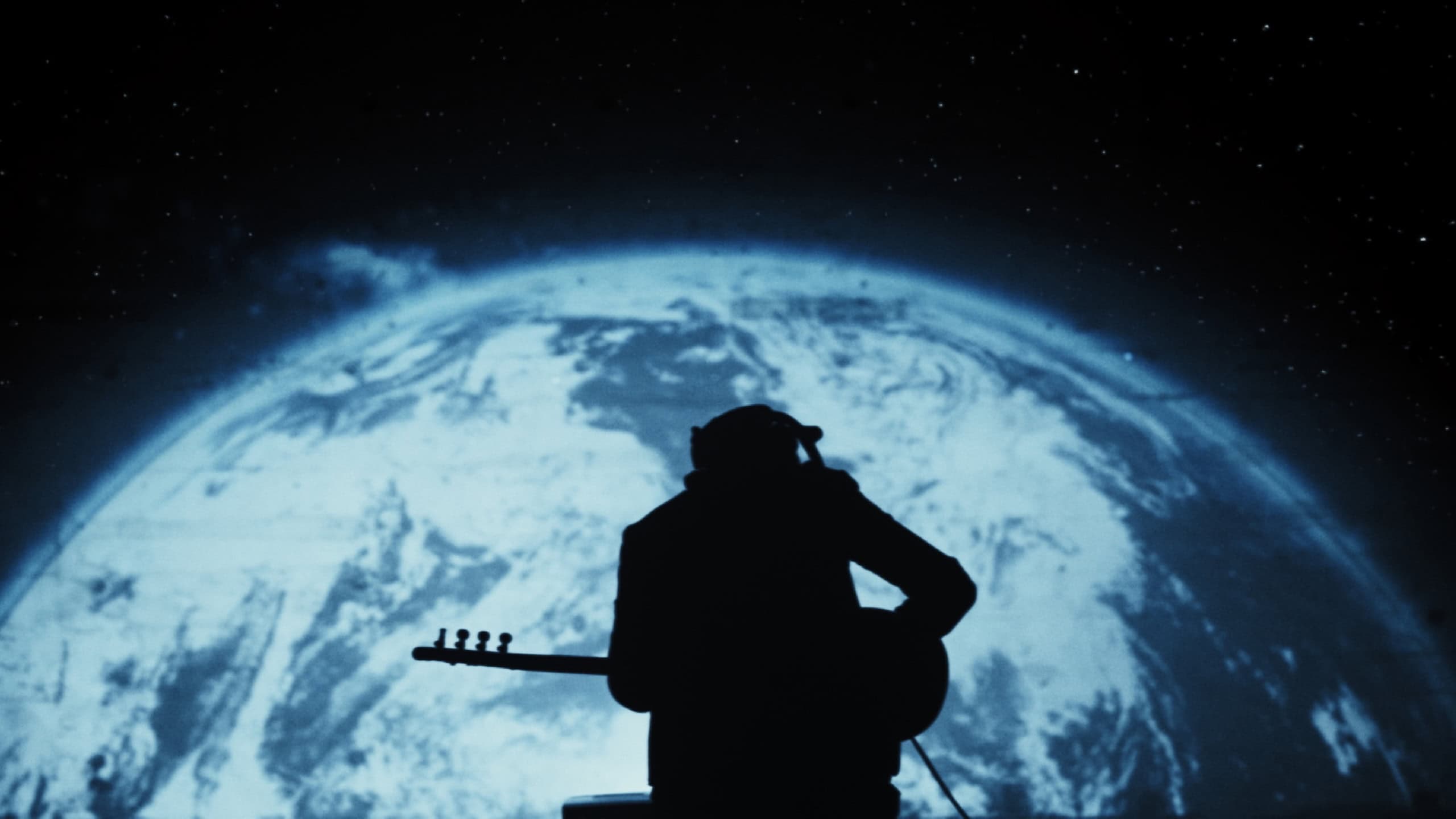
Closing Film & Talk – Love, D-Mark and Death
June 27, 2026, 19:00
Conversation with the Residents of the Stresemannstrasse Women Workers’ Dormitory
May 16, 2026, 19:00
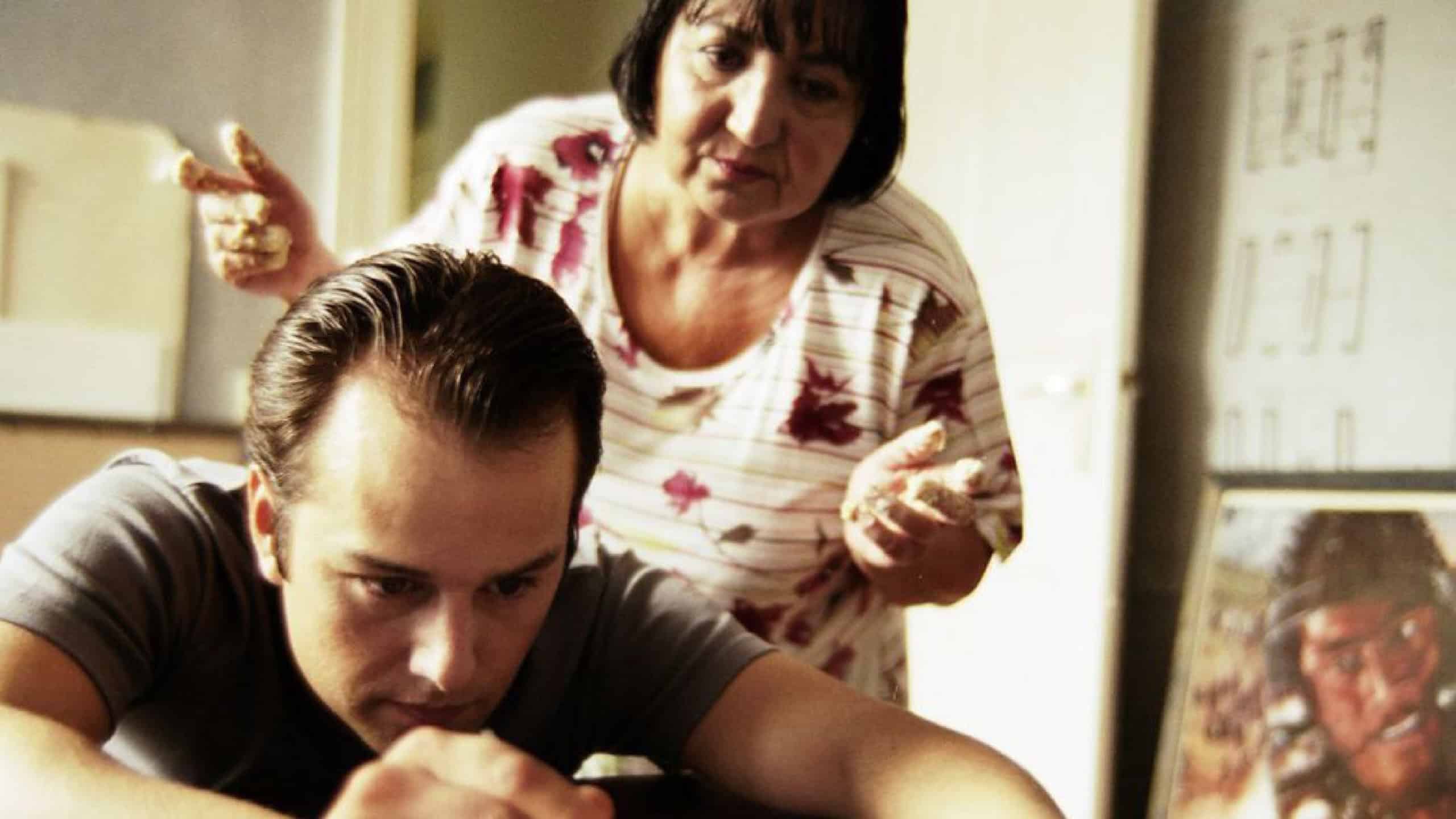
Screening of Sema Poyraz Films and Talk with the Director
May 16, 2026, 17:30
Migration, Labor, and Gender: First-Generation Women Workers in Germany
May 15, 2026, 19:00
Conversation with Cana Bilir-Meier
May 10, 2026, 17:00
From the Stage to the Screen: Theatre Film Screenings & Talks – Our German Fairytale
May 9, 2026, 19:30
From the Stage to the Screen: Theatre Film Screenings & Talks – Dschinns
May 9, 2026, 16:00

Love, D-Mark and Death – Guided Tours with the Research Team
May 9 - May 15, 2026
Emine Sevgi Özdamar Reading and Talk
May 8, 2026, 19:30
Love, D-Mark and Death Opening and Nihan Devecioğlu Music Performance
May 8, 2026, 18:00
16 June 2026
Aşk, Mark ve Ölüm: Bu Nasıl Bitmek Bilmez Bir Yol!*
Başak Eylül Çimen – Sanatatak
https://sanatatak.com/modern-cagdas/ask-mark-ve-olum-bu-nasil-bitmek-bilmez-bir-yol
12 June 2026
‘’Aşk, Mark ve Ölüm’’
Apaçık Radyo
https://apacikradyo.com.tr/podcast/hikayenin-her-hali/ask-mark-ve-olum
9 June 2026
Yersiz Yurtsuz İmgeye Dair: “Aşk, Mark ve Ölüm”
Fırat ARAPOĞLU – Milliyet Sanat
https://www.milliyetsanat.com/haberler/diger/yersiz-yurtsuz-imgeye-dair-ask-mark-ve-olum-/26387
2 June 2026
Aşk, Mark ve Ölüm: Ezber bozan göçmen kadınların tarih kitaplarında olmayan serüveni
Gülay Kazancıoğlu – T24
https://t24.com.tr/yazarlar/gulay-kazancioglu/ask-mark-ve-olum-ezber-bozan-gocmen-kadinlarin-tarih-kitaplarinda-olmayan-seruveni,55488?_t=1782728494450
29 May 2026
Berlin’den Tophane’ye envantere sığmayan göç hikayeleri
Fisun Yalçınkaya – Oksijen
https://gazeteoksijen.com/sanat/berlinden-tophaneye-envantere-sigmayan-goc-hikayeleri-277094
21 May 2026
‘’Aşk, Mark ve Ölüm’’
Feryal Saygılıgil – Kadın İşçi
https://www.kadinisci.org/ask-mark-ve-olum
14 May 2026
Kadın emeği ve göç hafızası
Ilgaz Gökırmaklı – Agos
https://www.agos.com.tr/tr/haber/kadin-emegi-ve-goc-hafizasi-40447
10 May 2026
“Aşk, Mark ve Ölüm” sergisi Depo’da açıldı
Zeynep Altıok – bianet
https://bianet.org/haber/ask-mark-ve-olum-sergisi-depoda-acildi-319485



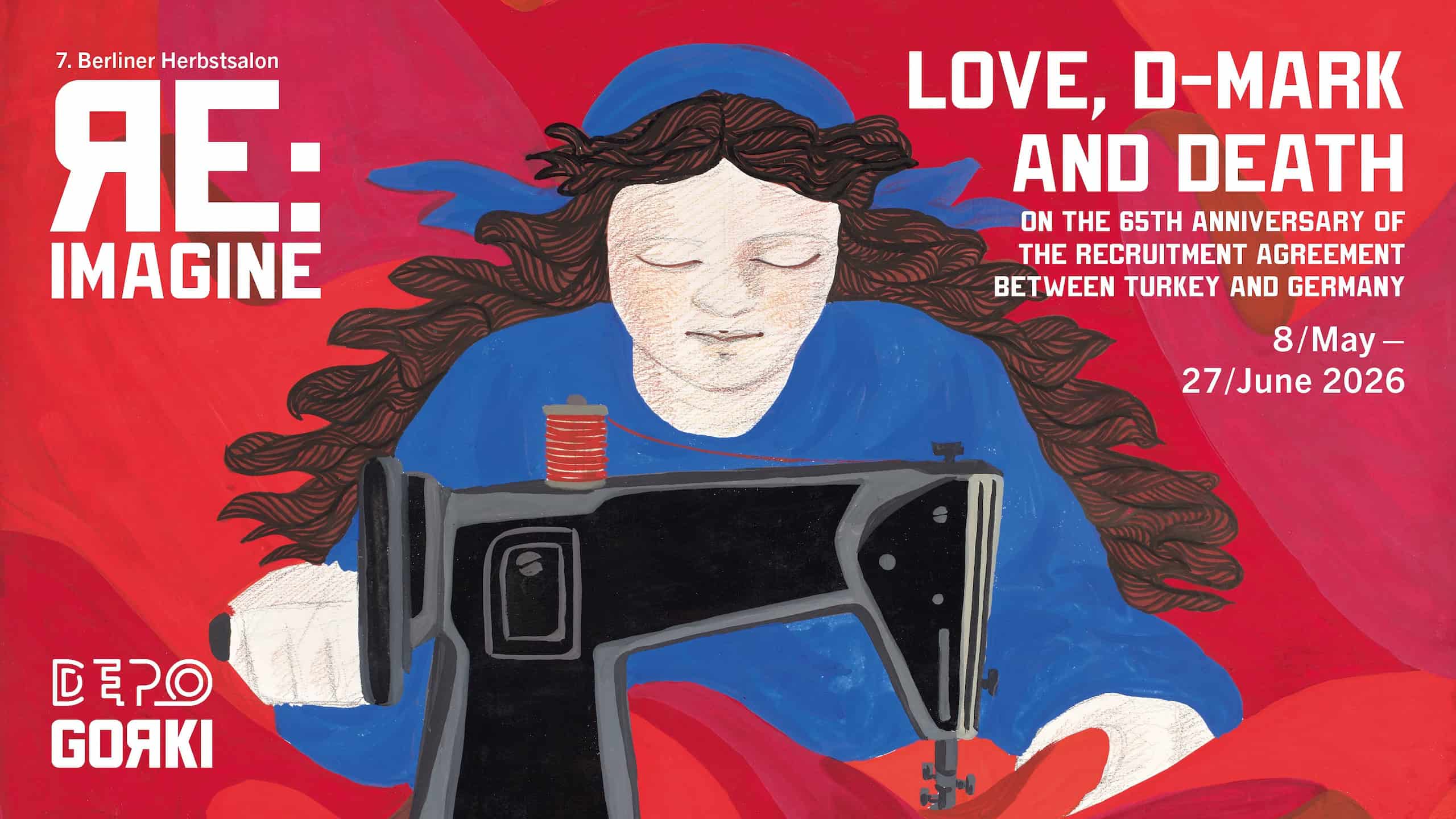
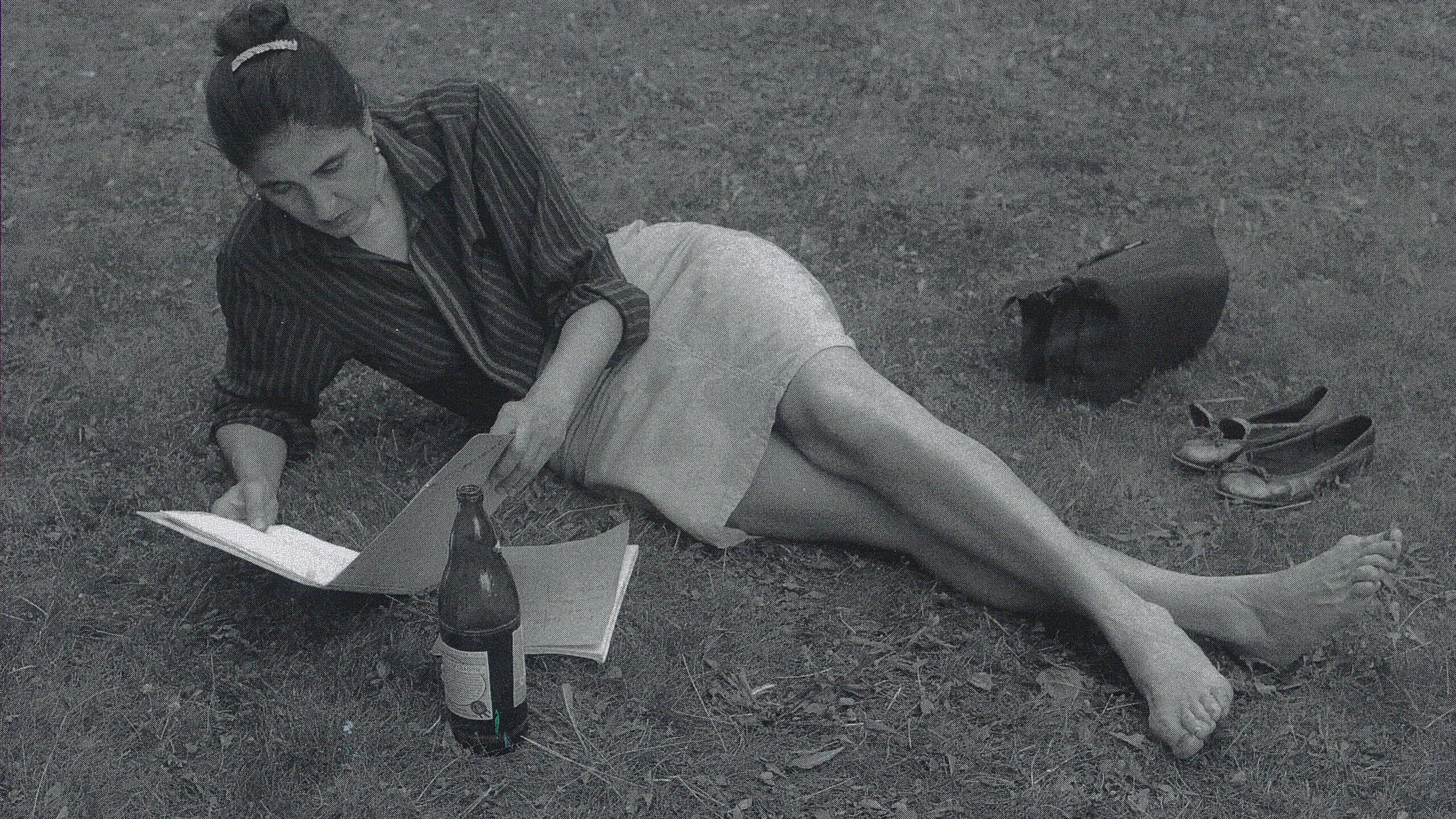
Gülsün Karamustafa, 1st of May 1977 (1977), Poster for the 7th Berliner Herbstsalon ЯE:IMAGINE, curated by Shermin Langhoff, Maxim Gorki Theater. Courtesy of Museum of Modern Art in Warsaw.
LOVE, D-MARK AND DEATH
May 8 – June 27, 2026
Gülsün Karamustafa, 1st of May 1977 (1977), Poster for the 7th Berliner Herbstsalon ЯE:IMAGINE, curated by Shermin Langhoff, Maxim Gorki Theater. Courtesy of Museum of Modern Art in Warsaw.
Opening: May 8, 18:00
On the occasion of the 65th anniversary of migration, the ‘Almancılar’ are returning to Istanbul with the exhibition Love, D-Mark and Death by the Maxim Gorki Theater, one of Berlin’s leading cultural institutions. The exhibition presents a thematic selection from the 7th and final edition of the Berliner Herbstsalon, a festival held every two years at the theater.
Love, D-Mark and Death is a 1982 song by Ideal, a Berlin-based band from the Neue Deutsche Welle movement. Even back then, the band knew who was indispensable to the creation of a new Germany. They asked the writer Aras Ören to write the lyrics. In 1982, he wrote Aşk, Mark ve Ölüm, a poem capturing the disappointment felt by immigrants in Germany. This was a time of rapidly rising xenophobia, accompanied by racist debates in the media and politics about ‘Überfremdung’. Ören ends his poem with these lines:
I howl, I scream, and I batter down
With a loud voice, with a soft voice
The walls everywhere, everything is deaf
Death comes cheap to us.
Love, D-Mark and Death is also the title of a highly acclaimed 2022 documentary by Cem Kaya on the musical cultural history of Turkish migrants. He was inspired by the compilation Songs of Gastarbeiter by the DJ duo Ayata/Kullukcu. This compilation was released as part of Almancı – 50 Years of Sham Marriages, a 2011 festival, which celebrated the 50th anniversary of the labor recruitment agreement between Turkey and Germany at Ballhaus Naunynstrasse, under the artistic direction of Shermin Langhoff.
Love, D-Mark and Death I
With the exception of a few works by Melek Konukman-Tulgan, Filiz Taşkın, Serpil Yeter, and Gülsün Karamustafa, the first part is documentary in nature. It is based on research and focuses on the residents of the dormitory at Stresemannstraße 30 in Berlin, which the Telefunken company established for its ‘female guest workers’.
Even here, the work of Emine Sevgi Özdamar plays an important role. Born in 1946 in Malatya in Eastern Anatolia and raised in Istanbul and Bursa, she arrived at Stresemannstraße 30 in 1965. She recounts her life in the ‘Wonaym’—balancing work at Telefunken with a longing for the theater and for a world free of exploitation and oppression—in her novel Die Brücke vom Goldenen Horn (The Bridge from the Golden Horn) (1998), the first volume of her Istanbul-Berlin trilogy. On the long journey from Istanbul to Berlin, one of her fellow travelers says, ‘What a never-ending journey’. It has not ended to this day. The dream of a better world, which once seemed so close, is receding into the distant horizon once more. In the second volume, Seltsame Sterne starren zur Erde (Strange Stars Stare Down at Earth), she writes:
‘I am unhappy in my language. The words are sick. My words need a sanatorium. How long does it take for a word to heal again? They say that in foreign countries you lose your mother tongue. Can’t you also lose your mother tongue in your own country?’
These are phrases that were once very well understood in Germany. Back when people there still felt ashamed of what their parents and grandparents had done to their mother tongue by associating it with that of the Third Reich. Emine Sevgi Özdamar went to the theater, to Brecht and Weigel’s Berliner Ensemble, to heal the words. She was not the first, nor was she the only one there. Nuran Oktar and Vasıf Öngören, who had worked for a year and a half as directors of the dormitory on Stresemannstraße, had also come to Berlin for the theater.
The theater also thrives on helping to heal the world. No one can do this alone, and certainly not a ‘nation’. A nation depends on other people, on other languages. That was the experience of the women at Stresemannstraße 30, the immigrant women from many nations. That is what is being worked on at the Maxim Gorki Theater. There, a new theatre is being shaped for the new post-migrant Germany. Yet another new German wave.
Love, D-Mark and Death II
In the second part of the exhibition Love, D-Mark and Death, artists engage with Germany through video works, scripts, and sculptures, many inspired by their own lives. Artists include Nevin Aladağ, Züli Aladağ, Cana Bilir-Meier, Zühal Bilir-Meier, Ahu Dural, Semra Ertan, Harun Farocki & Antje Ehmann, Daniel Knorr, Hakan Savaş Mican, Ersan Mondtag, İrfan Önürmen, Emine Sevgi Özdamar, Ülkü Süngün, and Želimir Žilnik.
Film Programme: Özlem Sarıyıldız, Isa Andreu, Hannelore Schäfer, Detlef Zuther, Andrea Schmidt, Uwe Gawron
Public Program
8 May Friday
18:00 Love, D-Mark and Death Opening and Music Performance with Nihan Devecioğlu
19:30 Reading and Talk with Emine Sevgi Özdamar. Moderator: Olcay Akyıldız (Turkish)
9 May Saturday
From the Stage to the Screen: Theatre Film Screenings & Talks
16:00 Dschinns (2023) (German; with Turkish and English subtitles)
Speaker: Nurkan Erpulat. Moderator: Selin Tunç (Turkish)
19:30 Our German Fairytale (2024) (German; with Turkish and English subtitles)
Speakers: Dinçer Güçyeter and Hakan Savaş Mican (Turkish)
10 May Sunday
17:00 Talk with Cana Bilir-Meier. Moderator: Erden Kosova (Turkish and English)
15 May Friday
19:00 Migration, Labor, and Gender: First Generation Female Workers in Germany
Presentation: Ayfer Bartu. Moderator: Hülya Karcı (Turkish)
16 May Saturday
17:30 Screening of Sema Poyraz films and talk with the director. Moderator: Tunçay Kulaoğlu (Turkish)
Die Türhüter, 1988, 17’, Fremd. Yaban., 2007, 18’. (German; with Turkish and English subtitles)
19:00 Conversation with the residents of the Stresemannstrasse Women Workers’ Dormitory
Mevhibe Çetin, Nuran Dirlikli, Aysel Göksu and Sabahat Tezyel
Moderators: Hülya Karcı and Mürtüz Yolcu (Turkish)
27 June Saturday
19:00 Closing Film and Talk
Aşk, Mark ve Ölüm (2022) (Turkish and German; with English subtitles)
Talk with Cem Kaya and Ekim Zafer Acun (Şokopop). Moderator: Çiğdem Özdemir (Turkish)
Curator Shermin Langhoff Exhibition Scenography Alice Faucher Curatorial Assistant Maral Müdok Assistant to the Artistic Director Thalia Hertel Research Team Hülya Karcı, Erden Kosova, Tunçay Kulaoğlu, Maral Müdok, and Mürtüz Yolcu Production Manager Ece Tufan Production Assistant Marta Stein Coordination Çiğdem Özdemir Film Coordination Gari Vanisian Exhibition Design Assistants Martha Bamberg and Ruby Wisdom
A production of the Maxim Gorki Theater in cooperation with Anadolu Kültür, with the kind support of the Goethe-Institut Istanbul and Theater findet Stadt e.V.
RELATED EVENTS
LOVE, D-MARK AND DEATH – Guided Tours with the Research Team
June 5-27, 2026
Closing Film & Talk – Love, D-Mark and Death
June 27, 2026, 19:00
Conversation with the Residents of the Stresemannstrasse Women Workers’ Dormitory
May 16, 2026, 19:00
Screening of Sema Poyraz Films and Talk with the Director
May 16, 2026, 17:30
Migration, Labor, and Gender: First-Generation Women Workers in Germany
May 15, 2026, 19:00
Conversation with Cana Bilir-Meier
May 10, 2026, 17:00
From the Stage to the Screen: Theatre Film Screenings & Talks – Our German Fairytale
May 9, 2026, 19:30
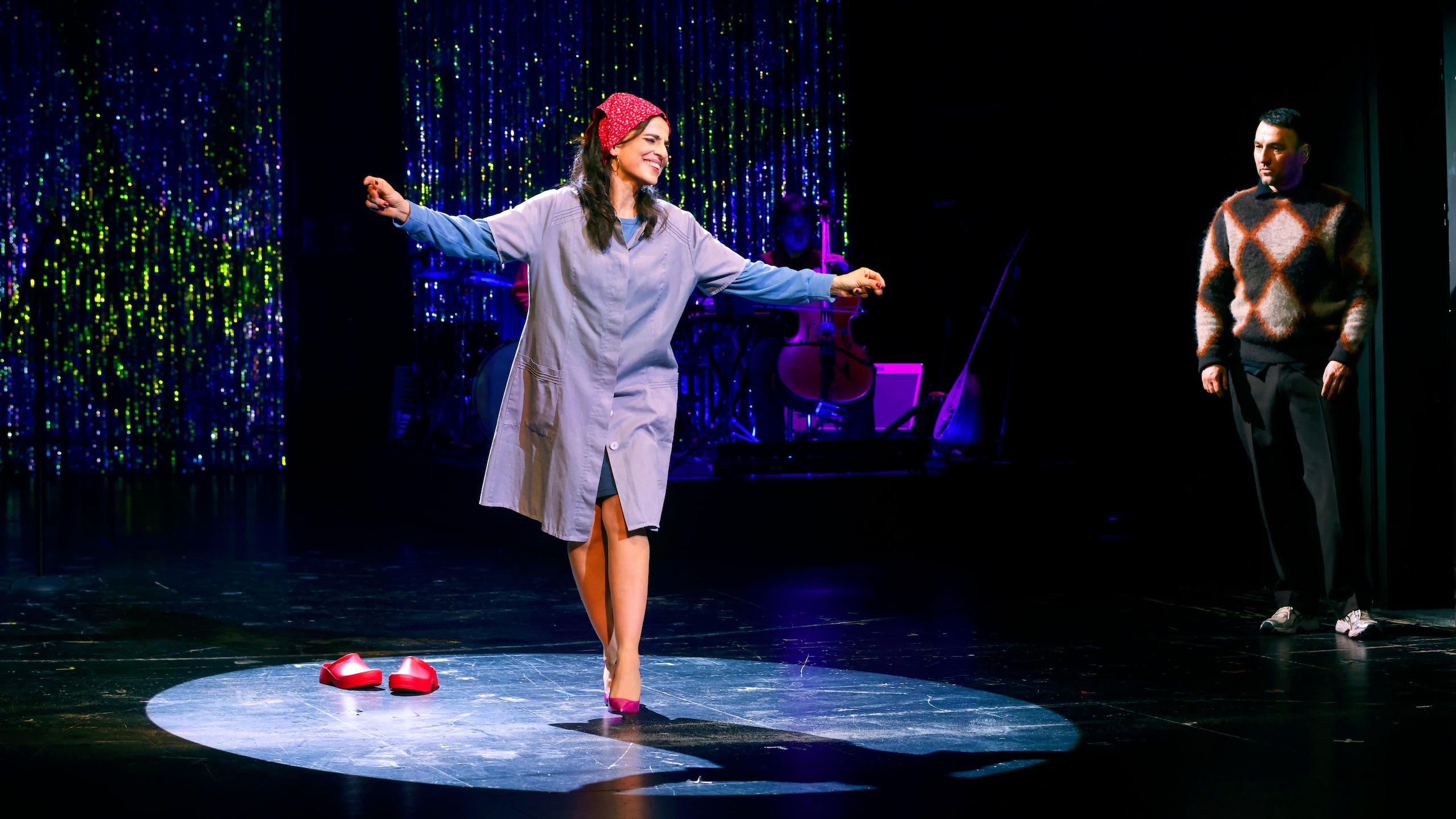
From the Stage to the Screen: Theatre Film Screenings & Talks – Dschinns
May 9, 2026, 16:00
Love, D-Mark and Death – Guided Tours with the Research Team
May 9 - May 15, 2026
Emine Sevgi Özdamar Reading and Talk
May 8, 2026, 19:30
Love, D-Mark and Death Opening and Nihan Devecioğlu Music Performance
May 8, 2026, 18:00
PRESS
16 June 2026
Aşk, Mark ve Ölüm: Bu Nasıl Bitmek Bilmez Bir Yol!*
Başak Eylül Çimen – Sanatatak
https://sanatatak.com/modern-cagdas/ask-mark-ve-olum-bu-nasil-bitmek-bilmez-bir-yol
12 June 2026
‘’Aşk, Mark ve Ölüm’’
Apaçık Radyo
https://apacikradyo.com.tr/podcast/hikayenin-her-hali/ask-mark-ve-olum
9 June 2026
Yersiz Yurtsuz İmgeye Dair: “Aşk, Mark ve Ölüm”
Fırat ARAPOĞLU – Milliyet Sanat
https://www.milliyetsanat.com/haberler/diger/yersiz-yurtsuz-imgeye-dair-ask-mark-ve-olum-/26387
2 June 2026
Aşk, Mark ve Ölüm: Ezber bozan göçmen kadınların tarih kitaplarında olmayan serüveni
Gülay Kazancıoğlu – T24
https://t24.com.tr/yazarlar/gulay-kazancioglu/ask-mark-ve-olum-ezber-bozan-gocmen-kadinlarin-tarih-kitaplarinda-olmayan-seruveni,55488?_t=1782728494450
29 May 2026
Berlin’den Tophane’ye envantere sığmayan göç hikayeleri
Fisun Yalçınkaya – Oksijen
https://gazeteoksijen.com/sanat/berlinden-tophaneye-envantere-sigmayan-goc-hikayeleri-277094
21 May 2026
‘’Aşk, Mark ve Ölüm’’
Feryal Saygılıgil – Kadın İşçi
https://www.kadinisci.org/ask-mark-ve-olum
14 May 2026
Kadın emeği ve göç hafızası
Ilgaz Gökırmaklı – Agos
https://www.agos.com.tr/tr/haber/kadin-emegi-ve-goc-hafizasi-40447
10 May 2026
“Aşk, Mark ve Ölüm” sergisi Depo’da açıldı
Zeynep Altıok – bianet
https://bianet.org/haber/ask-mark-ve-olum-sergisi-depoda-acildi-319485